


Social channels a major factor in Chinese research for study abroad




"China has developed a distinct Internet culture complete with its own major platforms and services," we reported in 2014. "The largest of these rival the global audiences of some of the world’s best-known Internet brands."
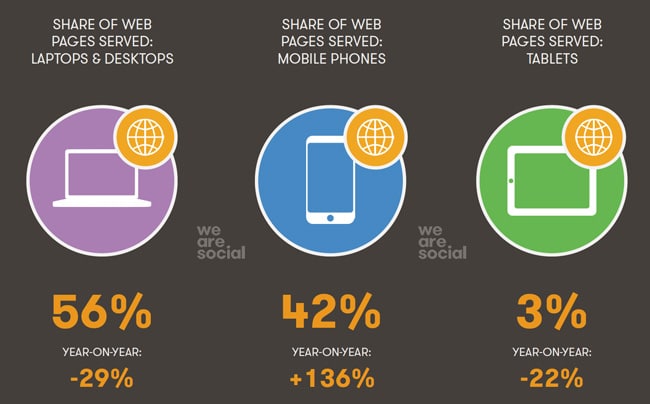
For many Chinese users, these homegrown social media platforms are the Internet - that is, they are both the primary activity for users as well as the main way in which they experience the web. The explosive growth of China’s social web in recent years coincided with the emergence of mobile technology, in particular the rapid adoption of smartphone devices. Many Chinese users first began to use the Internet on mobile devices, and mobile remains the predominant form of access in China today.
The latest report from consultants We Are Social – Digital, Social, and Mobile in China in 2015 - finds continued growth in Internet usage as well as ongoing heavy engagement with social and mobile platforms among Chinese users.
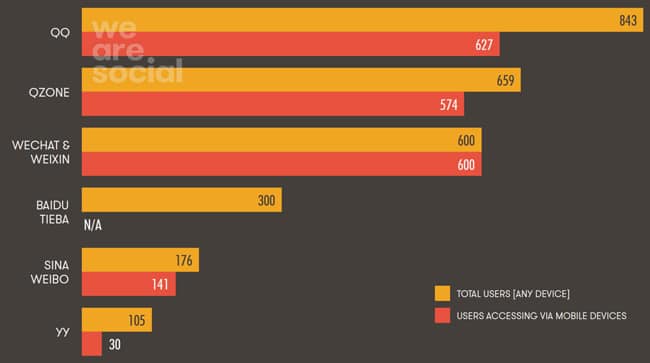
Out of a total population nearly 1.4 billion people, We Are Social estimates there were 668 million active Internet users in China as of August 2015. Nearly all of these Chinese netizens - 659 million - are also active social media users, a total which surpasses the user base of the US and Europe combined.
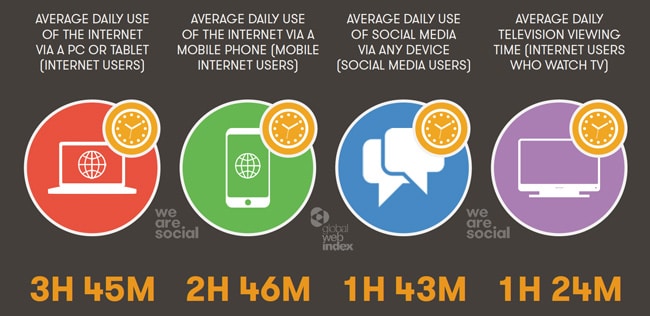
Chinese users spend an average of nearly four hours per day online on desktop or tablet devices and another three hours per day on mobile devices. Overall, digital media accounted for more than half of all media consumption among Chinese adults in 2015.
The student connection
We are learning more about how prospective students use different digital tools at different stages of the decision-making process for study abroad. In a number of world markets, search engines and school selection sites play a greater role during the discovery phase of students’ research - that is, the point at which they are learning about different institutions and trying to identify colleges or schools that could be a good fit. Many of these students will then use social media to further inform their choices after that initial discovery process. A recent student survey from Chegg, however, suggests a greater role for social channels throughout the search and discovery process for Chinese students. The 2016 Social Admissions Report: China Edition finds that nearly 70% of prospective Chinese students use a smart phone as their primary tool for researching study abroad options. The top search or research activities among these users include:
- 85% checked school information online (e.g., ranking, programmes available, costs);
- 38% watched a video from an institution or school;
- 28% posted a question to a school representative on social media;
- 27% participated in a live chat.
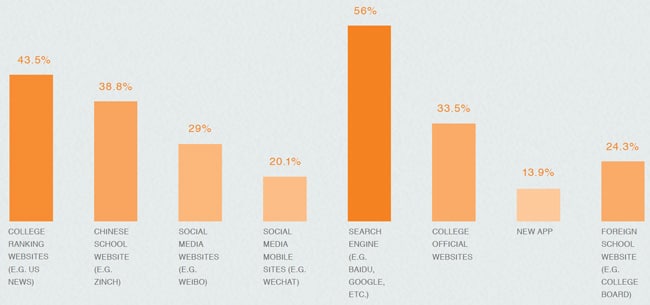
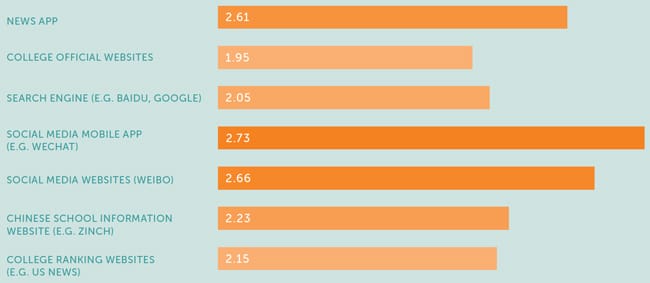
Overall, nearly 90% of prospective Chinese students indicate they will use social media when deciding on an institution or school. The following chart illustrates the types of sources and channels most often used by students to research study options abroad.
Most Recent
-
Decline in Indian demand a major factor in softer outlook for foreign enrolment in US higher education in 2026/27 Read More

-
Australia: As visa applications from foreign students fall, the government has set the national target for new international students in 2027 Read More
-
Independent K-12 schools in the UK hosting fewer international students this year Read More







