


New survey findings on digital channels for college search




A new survey of US high school students has some interesting insights into how students use digital channels, including social media, to discover, learn about, and engage with universities and colleges. Conducted by the online textbook rental and education services company Chegg, the online survey was completed by 1,611 high school seniors in the US during October and November 2014. "When building your enrolment strategy, it is important to remember that the students you are starting to recruit were born when Google began and in grade school when Facebook took off," notes Selfies, SnapChat, So What? The 2015 Social Admissions Report. "They are accustomed to finding information online, particularly on mobile devices that fit in their pockets. We are no longer in a world where you can simply buy your search list, send out your search piece and wait for your class to come to you." Today’s digital natives, the report adds, are sophisticated and experienced researchers and they come with high expectations as empowered consumers, particularly with respect to fast and personalised responses from any institutions they contact.
The discovery phase
A key premise of the report is its underlying assertion that we are in a period of rapid change in terms of what tools students use for college search as well as how they use them.
The researchers also draw an important distinction between digital tools, such as online search and college selection sites, and social media. The report argues that the former are highly influential in the discovery phase of the students’ research – that is, the point at which they are learning about different institutions and trying to identify colleges that could be a good fit. This search behaviour encompasses both organic search leading to college or university websites as well as college review and selection sites, including Chegg’s own network of college search and scholarship resources. Nearly nine in ten respondents (87%) reported that college websites were either "extremely useful" or "very useful" in this search effort, whereas 73% said the same of college review and selection sites.
One implication of this finding is that the institution’s engagement with any such online platforms, including search sites and online directories, is an increasingly important recruitment tactic and one worthy of greater senior staff attention than has perhaps been the case in the past.
While most students (more than eight in ten of the Chegg respondents) reported looking for scholarship information during this discovery phase, significant percentages are also searching for programme information (83%), admissions information (74%), and details about campus life (56%). In contrast, only about half of students were interested in ranking information for the schools they were considering during a search phase, suggesting that basic information about student life and programmes may often trump ranking or reputational factors at this stage of the search process.
How mobile is your website?
Perhaps not surprisingly, the Chegg survey also points to the continuing heavy use of mobile devices during the discovery phase of the college search process. Four out of five respondents visit college websites on their mobile devices with as many as a third of those submitting a college application. “If you aren’t pulling up your website and application on your phone right now to see what it looks like,” says the report at one point. “We recommend you pause and do so before reading any further.” Readers who would like additional background on mobile usage among prospective students, along with mobile strategy, are encouraged to review some of our recent posts on the subject.
How fast are you?
Along with the importance of managing an expanded field of online search channels and delivering a great mobile experience, the Chegg survey also offers a stark finding as to the growing importance of responsiveness on the part of institutions and schools.
Nearly two-thirds (62%) of respondents said, after making an enquiry, that they expected to hear back within 24 hours or less.
If that expectation doesn’t match up with your processes for gathering, managing, and, most importantly, responding to student queries, this is another moment to pause and consider how you could likely improve conversions at this key point in your enrolment funnel.
Where social comes in
If students are using online search and selection tools to discover which institutions are right for them, they are using social media to further inform their choices after that initial discovery process.
Nearly two-thirds of respondents to the Chegg survey indicated that conversations on social media influenced their choice of college. The two key groups that students identified for these interactions were current students and college admissions advisors.
A related survey of US admissions officers by marketing and communications firm mStoner found that 72% of American admissions professionals believe students are open to being contacted through Facebook, 71% through Twitter, and 50% through Instagram.
The Chegg survey, meanwhile, finds that only 4% of students wanted social media to be their first point of contact with an institution. "While 75% said they were interested in engaging with admissions officers via social media, the applicants wanted to initiate those conversations," adds the report.
This finding points again to the importance of responsiveness on the part of institutions, both in terms of timeliness but also in meeting students where they are online – and on their terms.
One aspect of this is that while prospective students are open to response from college officials via social media, they are particularly interested in connecting with peers – that is, current or former students of the institution – on social networks.
Another is that social media usage is becoming more diffused among college-age students in the US and in many world markets, with entirely new platforms – notably highly visual networks such as Instagram – playing a larger role in 2014.
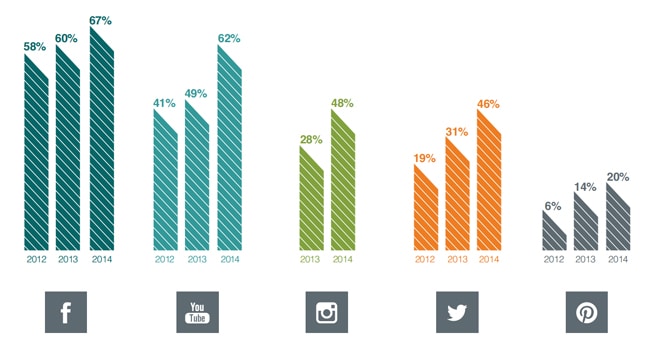
- The importance of timely and personalised responses comes through loud and clear in the survey results. But so too does the importance of managing online channels carefully to more effectively reach students during the discovery phase of their search process.
- And, if the role of social media is to help students get a better feel for your institution, then enabling peer-to-peer interactions, listening carefully to students on social networks, and responding via the same channels that they use to talk to your institution, are also some of the further keys to engaging effectively with today’s digital natives.
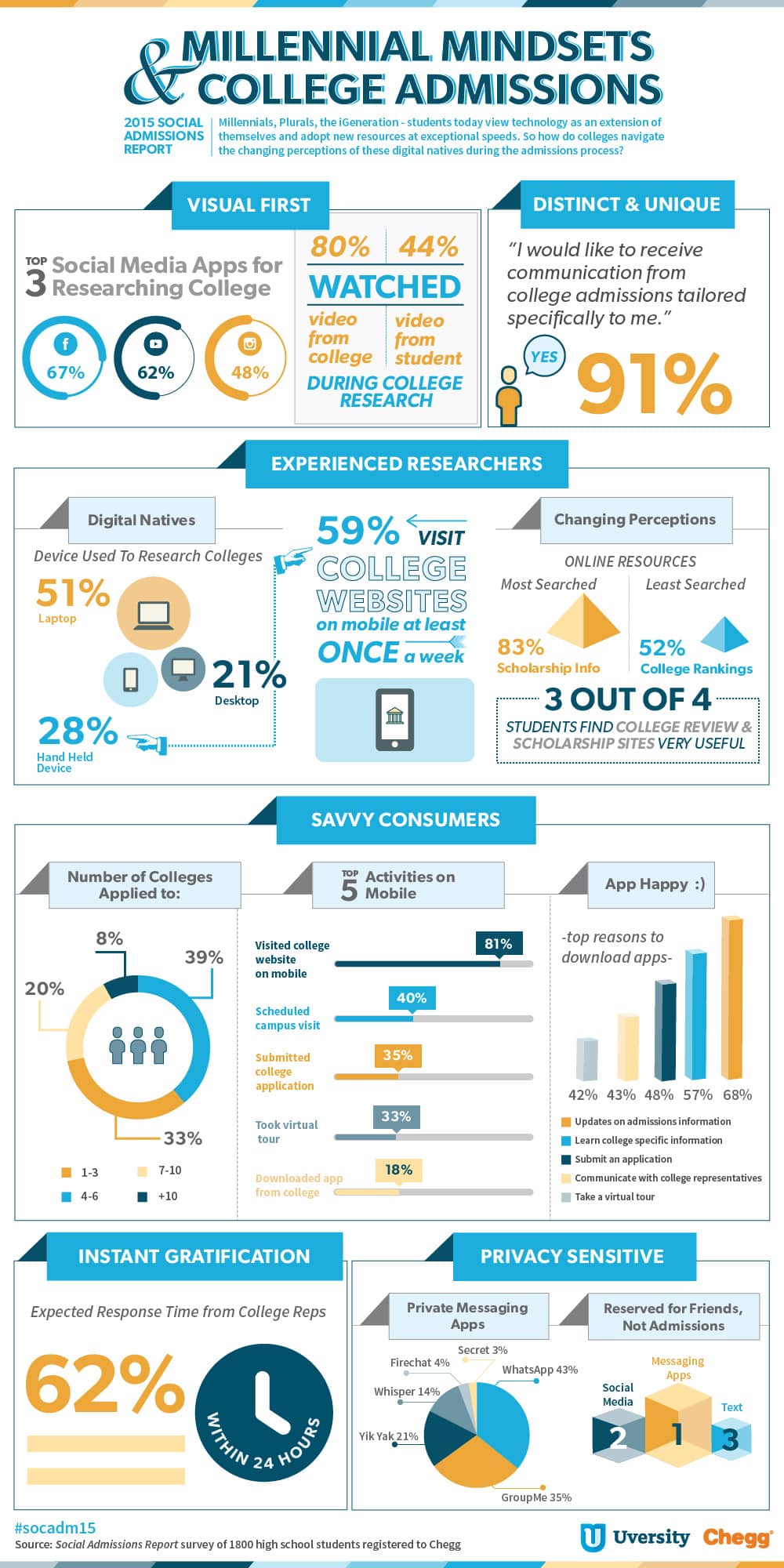
We'll sign off with an infographic highlighting more findings from the report on American students' preferences regarding digital, social, and mobile during the college search process.
Most Recent
-
China in 2026: Slowing outbound student mobility, accelerating inbound momentum Read More

-
Surprise hike in international student visa application fees “a direct hit to Australia’s competitiveness” Read More
-
ICEF Podcast: “Good, steady, and disciplined”: New Zealand’s plan for sustainable international enrolment growth Read More







